
The final article in ECOS’s series on Conflict, Post-Colonialism and Conservation describes the
work of Indigenous Australians in ‘Healing Country’: large-scale ecological restoration which
integrates community wellbeing and spiritual connection to the land. In the words of
Ngadju Elder Les Schultz: “We are a people who look after country and the country looks
after us.” The Ngadju and Noongar Peoples of Western Australia represent one of the
oldest living cultures on Earth.
ECOS is extremely grateful for the opportunity to re-publish this article by Adam Cross, Keith
Bradby and James Aronson from the Natural History of Ecological Restoration website The
latter is a joint project of the Missouri Botanical Garden, the Ecological Health Network and
the Restoration Ecology Lab of Virginia Tech. The site also has a further article by Dr Cross,
of Curtin University in Western Australia, entitled ‘Time to learn from the past: Indigenous
Peoples are leading land management in Southwest Australia, and the rest of the world
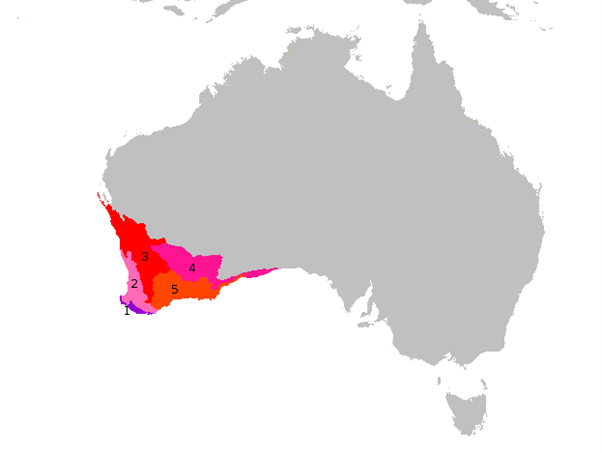
should take note.’ A map of this region is shown below.
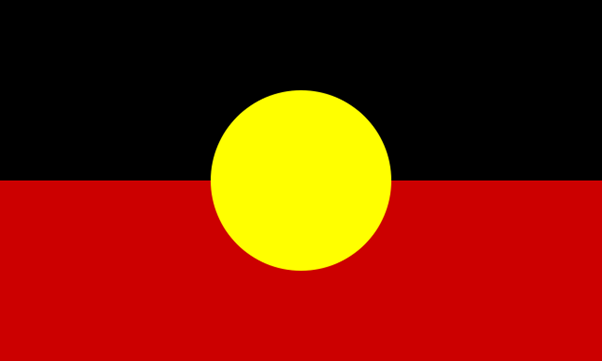
The preceding feature image shows the Australian Aboriginal Flag in which “black
symbolises the Aboriginal people, the red represents the earth and the colour of ochre used
in Aboriginal ceremonies, and the circle of yellow represents the sun, the constant renewer
of life.” Harold Joseph Thomas (Bundoo) designed the flag in 1971 as a symbol of the
Indigenous land rights movement in Australia. Connection to land and waters is
fundamental to the culture of Australian First Nations and that of Torres Strait Islander
people. Despite much progress, struggles continue (with the mining and energy sectors in
particular) to gain legal and moral recognition of land and water ownership by the many
peoples who lived in Australia prior to the European colonisation which began in 1788.