

Thoughts from influential nature conservationists…
Will Hawkes
Who are you and what do you do/have you done in nature conservation?
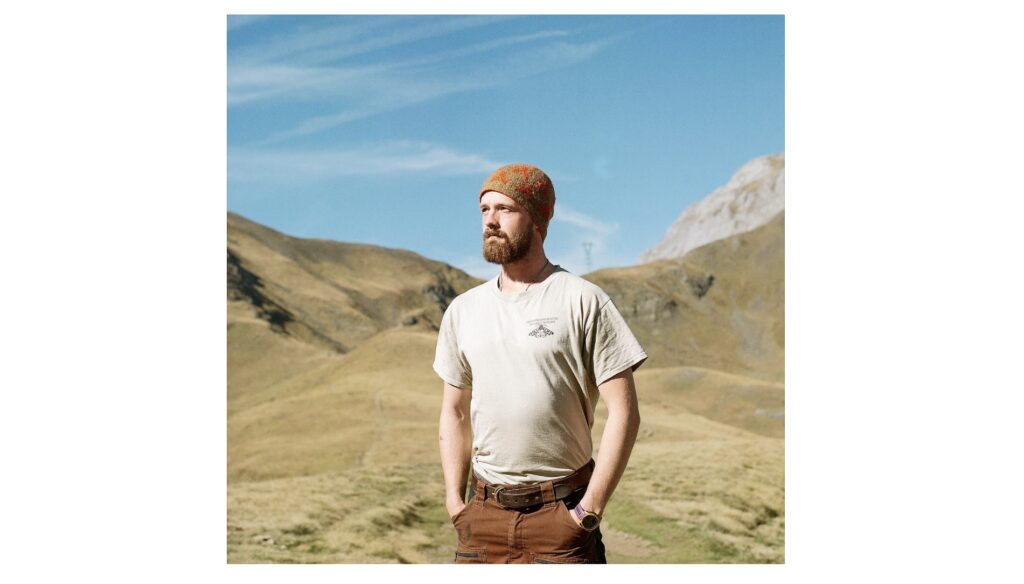
Hi! My name is Will Hawkes, I am an Insect Migration scientist and Species Recovery Officer for Buglife. I grew up in the beautiful Ceiriog Valley in North Wales. Just another part of nature, I spent my childhood running around the hills catching insects and newts. My mum worked at London Zoo before I was born. Occasionally my brother and I would travel to the big city to meet the snakes and tarantulas there. With this childhood, there was no choice but to fall madly in love with the planet and work in conservation.
I studied Zoology at the University of Exeter in Cornwall. This led to a PhD and subsequent post-doc spent revealing the species assemblages, the numbers, the routes, and the ecological roles played by the trillions of insects migrating across Europe. I have authored over 30 papers on the subject of insects. So many humans and other animals have helped me with this journey so far. I am truly grateful to be able to tell the stories of these remarkable insect migrants to everyone who will listen.
What have been two career highlights?
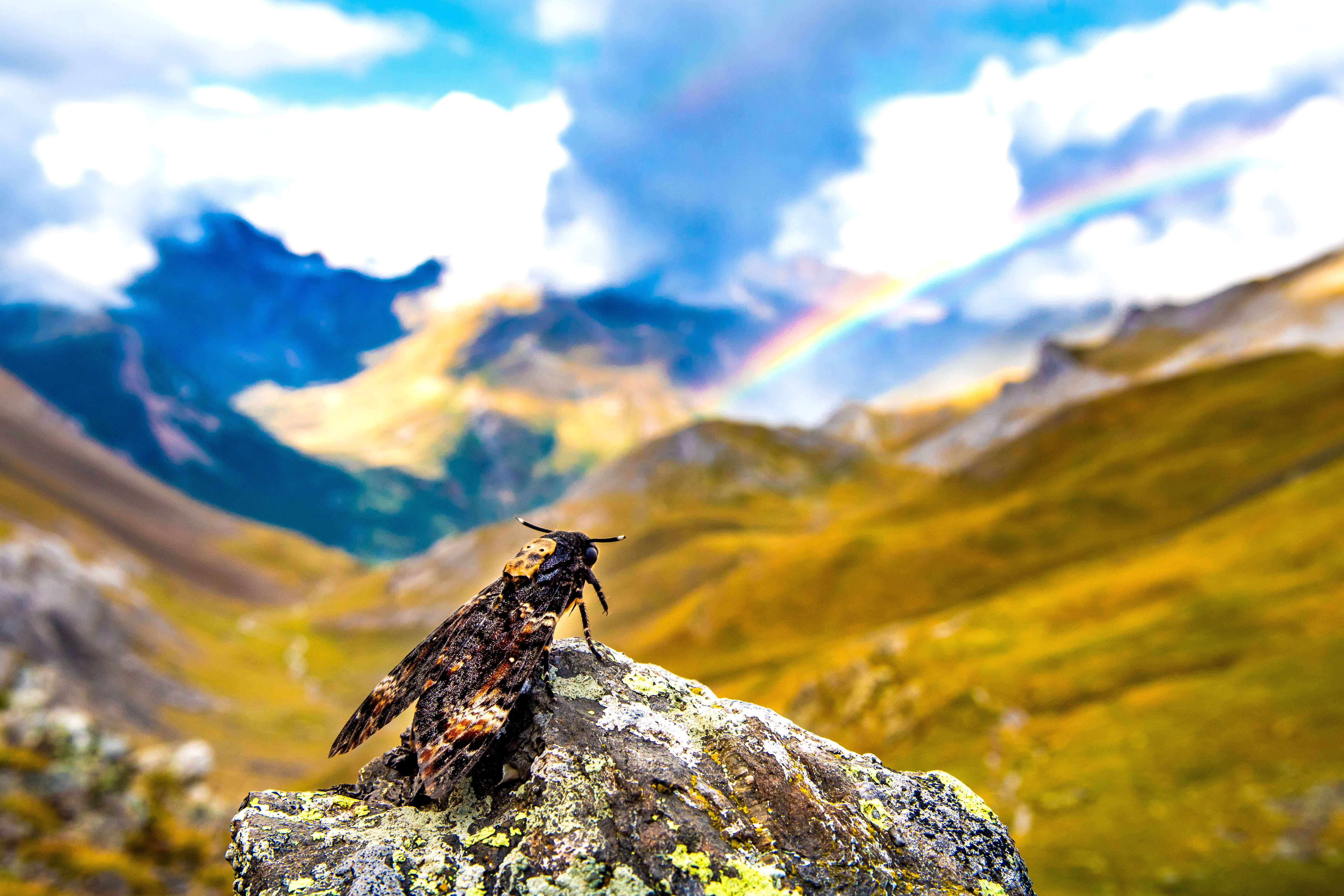
In September 2017, I was in the Swiss Alps for the fieldwork of my 3rd year undergraduate project – the very start of my insect migration journey. Me and one of my best friends, Teddy Walliker, were living in an old border control hut high on a ridgeline, two hours from any other civilisation. The fog had enveloped the mountain and the bright mercury vapour lamps were on to draw in any migrating animals. I vividly remember that night. We were completely surrounded by moths. And not just any moths. There were over 500 Convolvulus Hawkmoths and 250 Deaths Head Hawkmoths swirling around us! These were such holy grail moths to catch back in the UK, to see so many as they passed us on their great migrations southwards to Africa was absolutely magical.
I know this is self-obsessed, but honestly, I’ve just finished writing a book all about insect migration and this is the highlight of my career so far. Although the phrase ‘I’ve written a book’ doesn’t feel right. It should be ‘we’ve written a book’ with ‘we’ being myself and the insect migrants. I am simply the voice for these remarkable animals. Their stories are truly incredible. There are so few people in the world working on insect migration, probably less than 100. To be in the position to write a book that will hopefully inspire so many humans to care and protect these vital animals is the most important thing I have done. The stories the migrants have to tell are so exciting too! There are dragonflies who cross oceans with tiny midges riding on their backs, flies who move in their trillions and connect the world, and insects who have inspired entire human cultures.
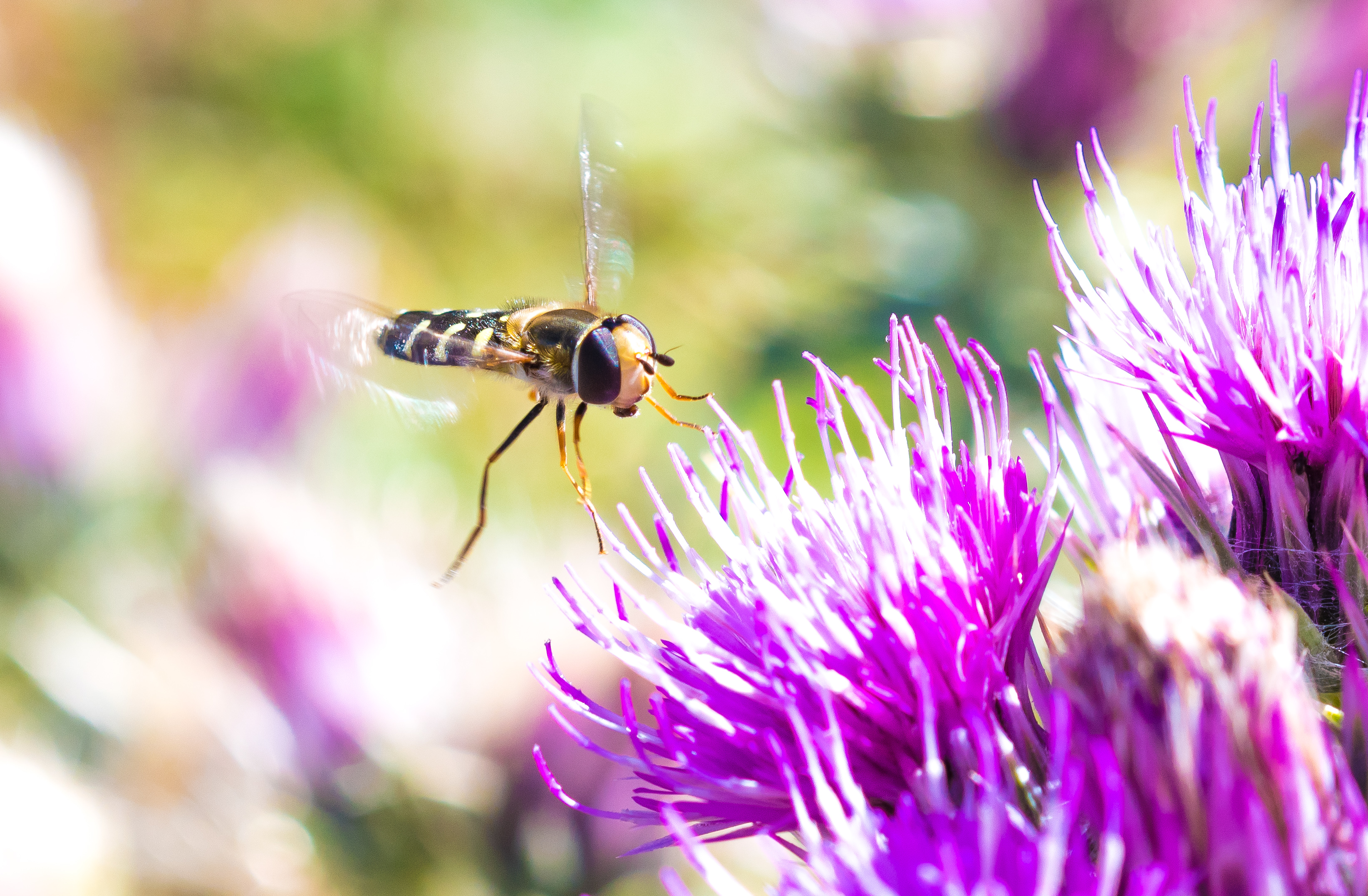
I have written it my way too. I love fiction and read way too much Terry Pratchett while writing. So, this book has a time-travelling hoverfly who mostly helps me tell the stories. Don’t expect your normal natural history book… I really am so proud of it and I hope it makes everyone earth-proud. Pre-order here.
The most influential person or event or book in your career…?
My mum is a huge source of inspiration. My love of wildlife comes from her. She would take my brother and I to London zoo when we were little to meet her old work colleagues and for us to meet and hold snakes and tarantulas behind the scenes.
Watching Steve Backshall and Dr George McGavin go on their expeditions with ‘The Lost Land of…’ programmes on BBC made me realise that I wanted to be an explorer, finding new animals and behaviours around the world.
I would not be in the position I am today without Dr Karl Wotton who took a chance on an untested 3rd year undergraduate student who really loved insects and could survive long fieldwork periods in mountains and offered him a place on a PhD.
Finally, French entomologist Jean-Henri Fabre is my hero. He lived in the late 19th, early 20th century and he learned about insects not by killing and dissecting as so many scientists would, but by watching and admiring. His books, ‘Le Souvenirs Entomologiques’ are wonderful.
The most influential book in my career (I so want to say my book here…) I think has to be the Wolf Brother series by Michelle Paver. I absolutely love these. They tell a deep story of humans and animals so intricately entwined with the world. Through a brilliant tale of adventure, love and sadness, they inspire a life lived as part of the natural world, not separated.
How do you define nature conservation?
Nature conservation is the most important thing anyone can do. Nature conservation is just conservation. We are all part of nature. We obviously have to protect where we live.
What’s the good news about wildlife and nature at present?
Humans care and our actions make a difference. Insects are returning with our planting of wildflower verges and provisioning of food. Humans are happier when they are not trying to be separate from the natural world. Making someone care about wildlife through inspiration is infinitely more impactful than making them feel shit for not doing enough. Solving the biodiversity and climate crisis is eminently achievable for humanity. We just need to make the most influential humans care.
Beyond the obvious of habitat loss and species decline, what’s your greatest concern in UK nature conservation at present?
My greatest concern is that we are thinking too isolatedly. We need to work globally, learning from humans who truly understand the natural world. Primarily, we need to stop killing humans who could make a difference. Just half of the US’ annual military budget of $2 trillion is needed to be invested globally each year to fix global biodiversity and climate crisis to save life on earth. The returns from this investment would be undeniably huge. Even if we are simply talking monetarily, the returns could be 8x or more the initial investment each year. It is insanity that we are not prioritising this already. Wars make a few people very rich and the rest very poor.
If you had a limited budget on nature conservation in Britain, what would you prioritise and why?
I would prioritise inspiring those humans who have the most influence. If you made the Prime Minister care deeply about wildlife, it would change so many things. Children are powerful here. Lego has recently ditched single-use plastic bags entirely after letters from children. Teaching business leaders, policy makers, and influential humans to love the natural world is extremely important. Imagine if we had footballer Jude Bellingham come out and encourage people to plant more wildflowers and learn the names of garden insects, that would inspire so many people to care (and businesses to take notice and perhaps find a way of profiting from ecological love and conservation – something that sadly is important in this capitalistic world).
How do you feel about your input to the subject – what if anything has it achieved and would you do it differently if starting again today?
I am incredibly proud of my input into the subject of nature conservation. I absolutely would not do anything differently. Mistakes are how we learn. Making people care and love wildlife is the most important thing and I am only just getting started.
Anything else you’d like to say..?
Anything you can do to help conservation helps. Even if it is the tiniest thing. Conservation is not perfect and is held back by those who encourage perfectly sustainable lives. We all make mistakes but together we can have a net positive benefit. Take an interest, learn to love, be inspired, and everything will cascade from there.