
Thoughts from influential nature conservationists…
Amira Nuseibeh
Who are you and what are some career highlights?
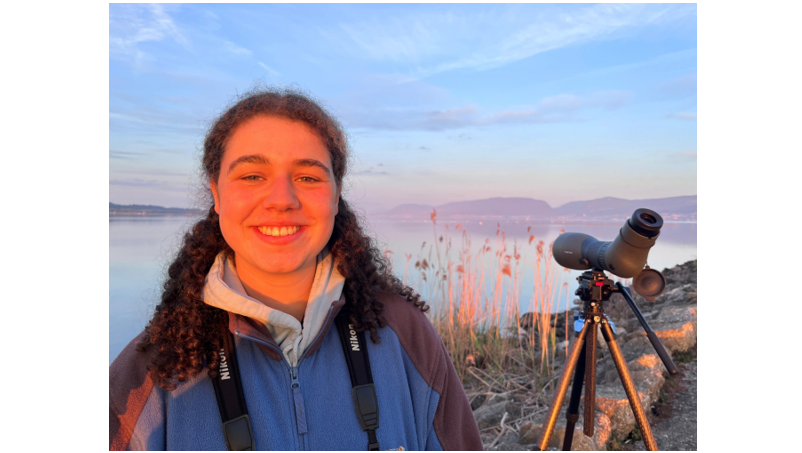
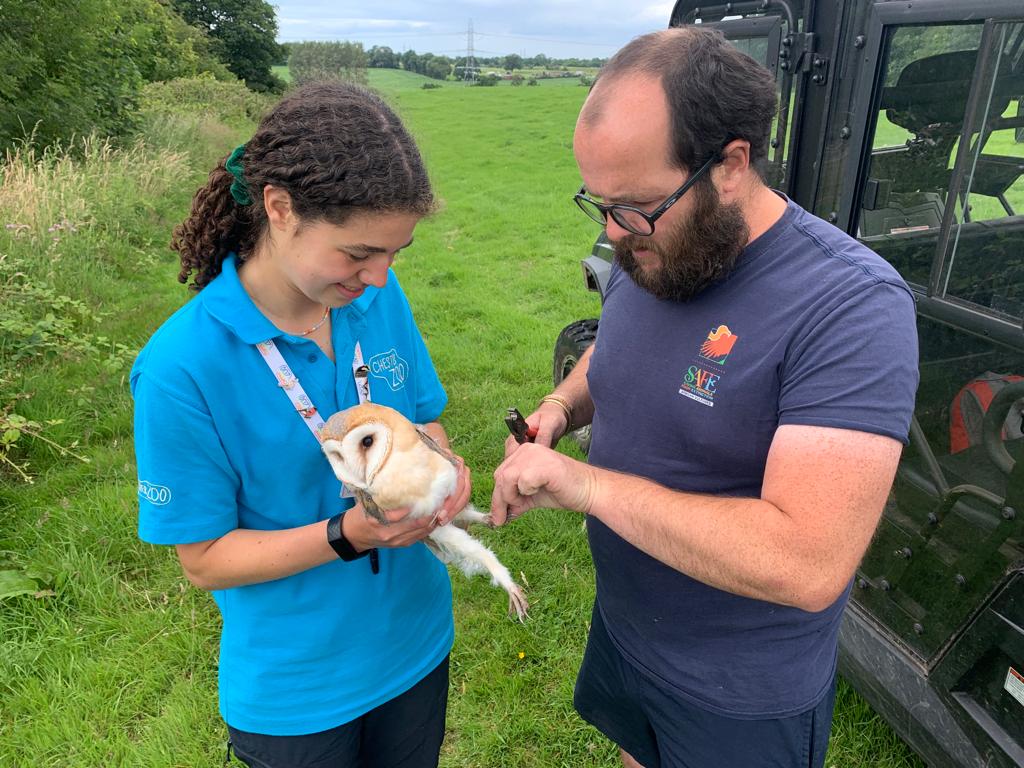
I’m a research and field ornithologist, conservationist, and environmental communicator, but growing up in London, I never expected to be any of these things. For as long as I can remember, I’ve been completely addicted to the outdoors. Escaping the noise and stress of the city on weekend walks and adventures, I slowly realised that the natural world was the place I felt most at home. For a long time though, conservation didn’t feel like a real, tangible career path to me, but then that mindset shifted during my 12-month placement within the UK Field Programmes team at Chester Zoo. From there I began saying yes to every opportunity I could find, following work across ornithology, ecology, and conservation research, often through short-term and varied roles that have gradually shaped my direction.
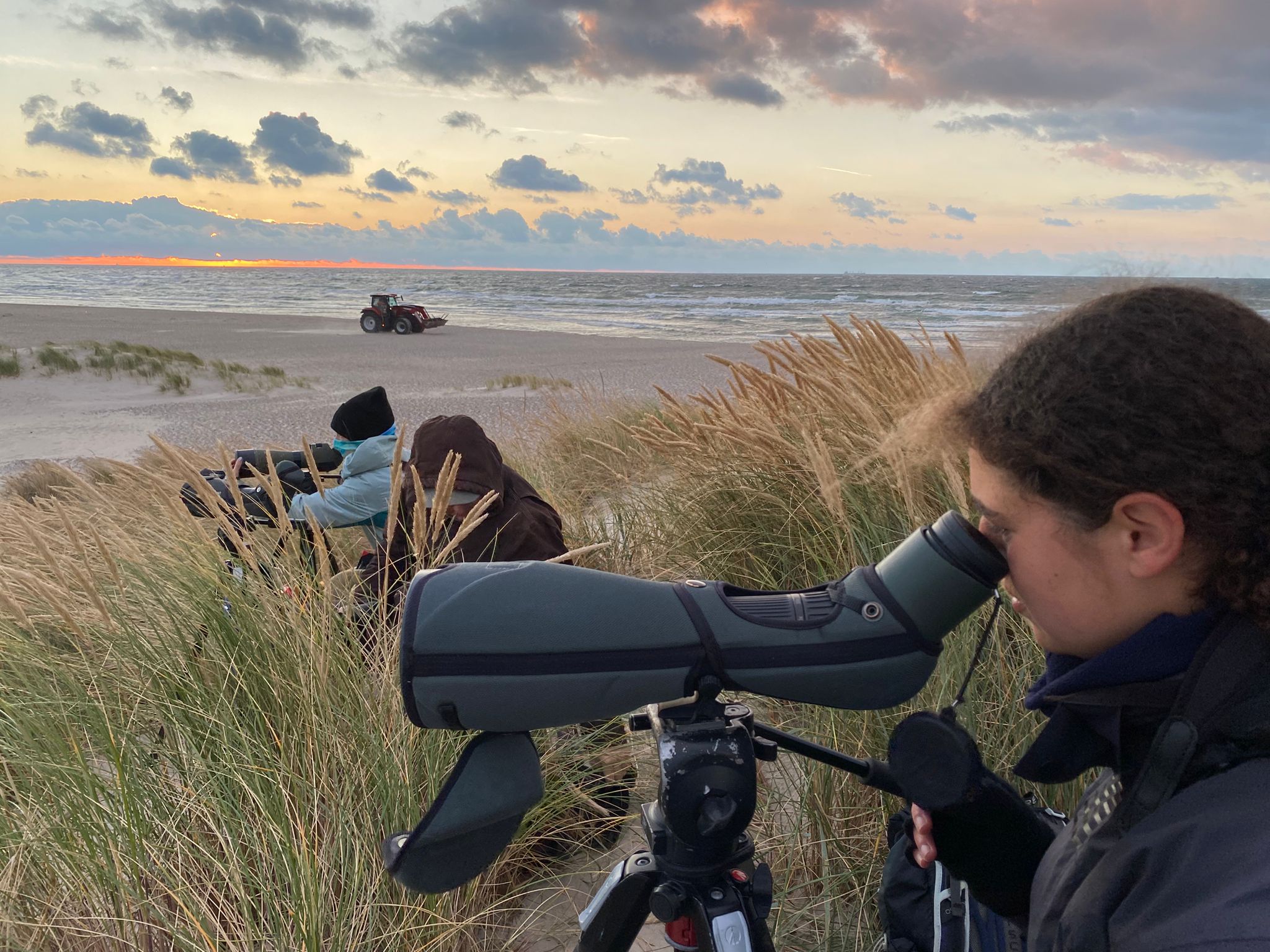
I’ve worked as an ornithologist across the UK and internationally, contributing to nest monitoring and research on species such as Bonelli’s eagle and Eurasian bittern. I also spent a brilliant season as an ecologist with Operation Wallacea at the Knepp Estate, where I had the privilege of helping volunteers catch the ‘nature bug’ and sharing my enthusiasm for UK wildlife, whilst contributing to long-term wildlife surveys within one of the country’s most exciting rewilding projects. More recently, I worked at Skagen Bird Observatory in Denmark, where I was immersed in migration monitoring, ringing, and public outreach, and I’m now based at the Schweizerische Vogelwarte in Switzerland researching the causes of decline in wood warbler populations across Europe.
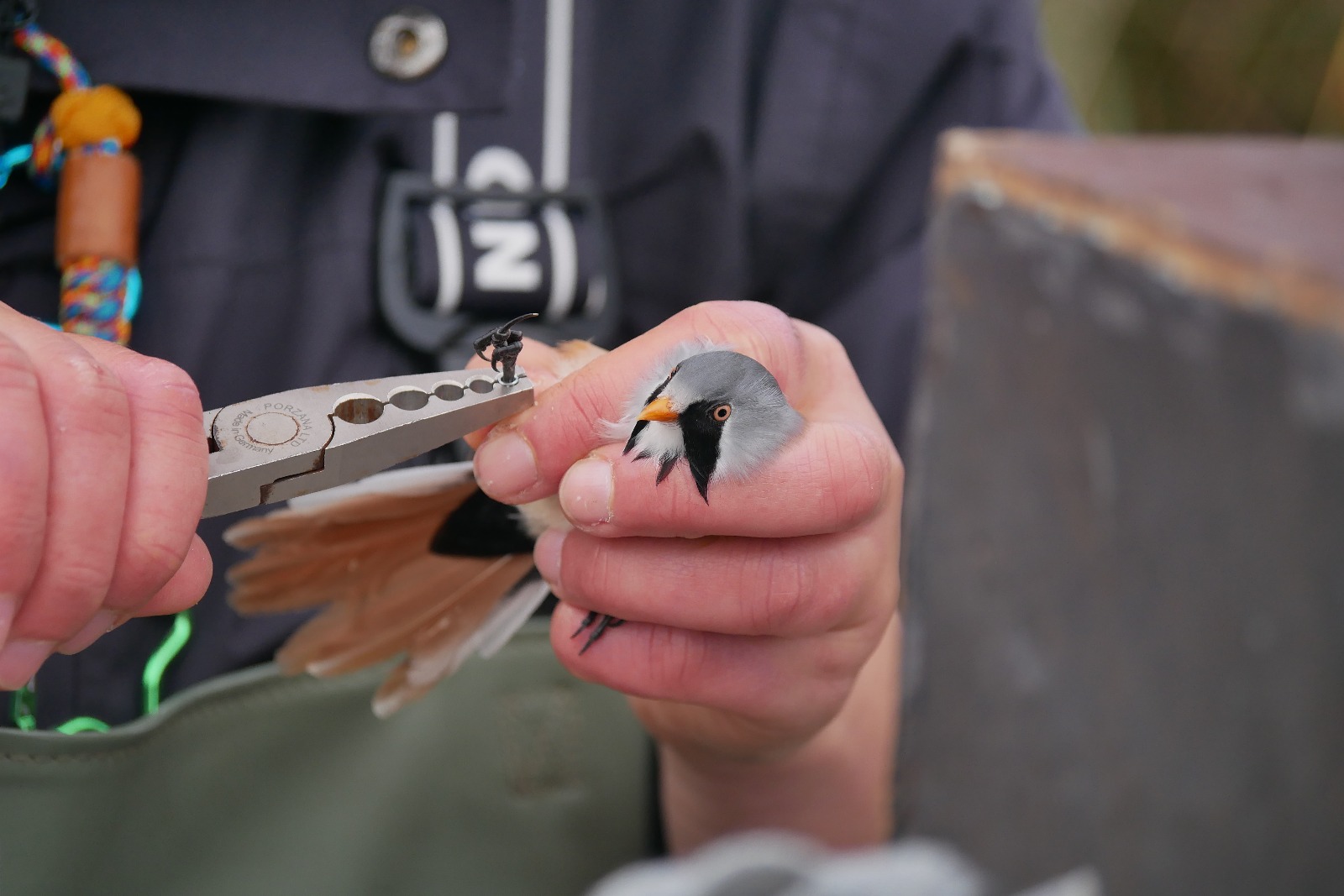
However, a particularly defining part of my journey has been my involvement with the British Trust for Ornithology (BTO). I started as a bird ringing trainee, and over time became a licensed ringer, enthusiastic nest recorder, and surveyor for wetland, heathland, and breeding birds. For the last two years, I’ve also loved being a BTO Youth Representative, where I get to organise events, lead guided walks and do my best to make birdwatching feel more accessible and welcoming to young people. It’s also where I discovered how much I love environmental communication and gave me the confidence to turn ideas into reality.
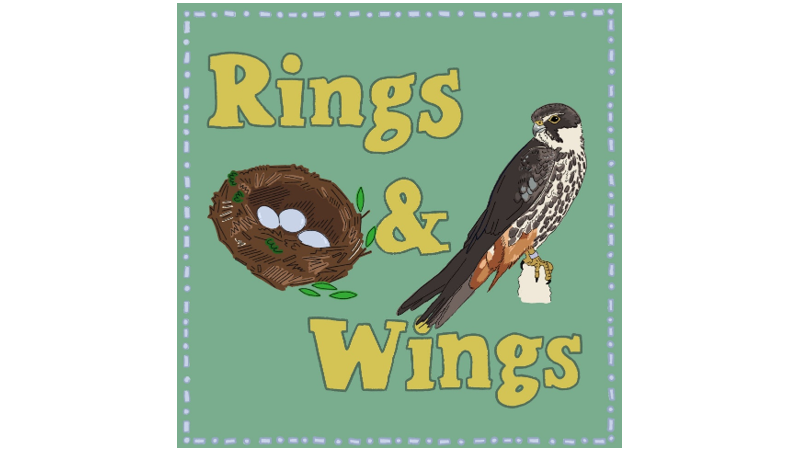
I’m now the creator and host of a podcast called Rings & Wings, which explores the stories and discoveries emerging from bird ringing and nest recording efforts across the UK. I get a real buzz from helping people connect emotionally with conservation science, and I think storytelling is a powerful way to do that.
It finally feels like I’m beginning to contribute meaningfully to the conservation sector, not just through research, but through communication and community as well. I’m excited to see where that journey leads me next.
The most influential person or event or book in your career?
One of the biggest influences on my journey into conservation was watching Springwatch. It made me fall in love with UK wildlife and showed me that ordinary species in ordinary places could be just as remarkable as the wildlife documentaries set in far-flung corners of the world. There are so many incredible stories unfolding right in front of us if we just open our eyes and notice them. Whilst I have a soft spot for birds, since watching Springwatch, I also love to appreciate the unsung heroes of the natural world, like the moths, mosses and plants. There’s a lot of satisfaction gained from looking at the tiny things.
More recently, I’d say the Global Birdfair event has had a surprisingly big influence on me. It sounds a bit cliché, but it was one of the first times I felt like I’d found ‘my people’. Before attending, birding often felt like something I did in my own little bubble, but Birdfair was the first time I realised just how big, diverse, and enthusiastic the birding community really is. Everywhere I turned there were researchers, ringers, artists, conservationists, young birders, tour leaders, and wildlife storytellers, all brought together by a shared love of birds. Conservation isn’t just a career, it’s a community, and as someone still finding my feet in the sector, that feeling of belonging was important and gave me a real sense that this was where I wanted to be.
How do you define nature conservation?
My definition of nature conservation has changed over time. When I was younger, I saw it mainly as protecting wildlife and preventing species from disappearing. Whilst that’s still an important part of it, I’ve come to believe that conservation shouldn’t just be about holding the line and preventing further loss. We need to be ambitious enough to think about recovery too, with rewilding, restoring habitats, rebuilding populations, and creating ecosystems that are self-sustaining and richer in wildlife. Recent trips to central Europe have reminded me of how nature-depleted the UK is in comparison. We can’t let shifting baseline syndrome fool us. As conservationists we need to think bigger and wilder!
One thing I’ve learnt is that conservation is as much about listening and learning as it is about acting. I believe that good conservation starts with understanding: monitoring populations, studying ecological relationships, learning from local communities, and being willing to adapt when new evidence emerges. Some of the most important conservation work isn’t necessarily the most visible; it’s the patient gathering of knowledge that allows us to make better decisions in the future.
Above all, I think conservation is fundamentally about hope. People working in this sector spend a lot of time confronting environmental decline and loss, but the reason they continue is because they believe that positive change is possible. One thing that has really struck me is that almost every conservationist I’ve met shares that same optimism. Despite the challenges they face, they’re driven by the belief that species can recover, habitats can be restored, and that more people can be inspired to care.
What’s the good news about wildlife and nature at present?
Wildlife recovers when people decide it matters, and the best news for nature is that more and more people seem to be making that decision. It would be easy to focus on all the challenges facing nature right now, but one thing that gives me genuine optimism is the growing number of people who care, and especially young people. Through social media in particular, I’ve met so many passionate people each contributing in their own way. Some work in conservation professionally, whilst others support nature through wildlife-friendly gardening, environmental campaigning, citizen science, or by finding creative ways to communicate about the natural world.
What encourages me most is that conservation is no longer seen as something only scientists or environmental organisations do. More and more people are recognising that they can play a role too, however big or small. That growing sense of collective responsibility gives me a lot of hope for the future.
If you had a limited budget on nature conservation in Britain, what would you prioritise and why?
I would invest in nature education, particularly giving young people more opportunities to learn about and connect with the natural world as they’re growing up. One of the biggest challenges we face is that many people have fewer opportunities to experience wildlife firsthand or learn about the species and ecosystems around them. Without that connection, it becomes much harder to inspire a sense of care that conservation ultimately depends on.
I’d love to see greater investment in initiatives such as the Natural History GCSE, as well as more opportunities for outdoor and field-based learning. We teach young people about history, literature, and geography, yet so many people leave school unable to identify common birds and insects in their garden or understand the ecological processes that support their everyday lives.
Nature tables, for example, are something that many older generations seem to remember fondly but have vanished from classrooms today. My desk at home has become a sort of nature table itself, dotted with my most precious possessions, including my prized woodcock tail feathers, my mole skeleton, and clumps of scavenged badger hair. Each of these items brings me joy and reminds me of how important nature is to me. Giving children a space like this at school, to bring in feathers, leaves, seed pods, shells, or interesting things they’ve found outdoors, encourages curiosity and sends the message that nature is something to notice, explore and to value.
The conservation decisions made in the future won’t just be made by scientists. They’ll be made by voters, policymakers, land managers, business leaders, and local communities. Giving everyone a stronger understanding of nature from an early age would benefit all those decisions, and the impact would ripple far beyond any single conservation project. Investing in nature education is key.
How do you feel about your input to the subject?
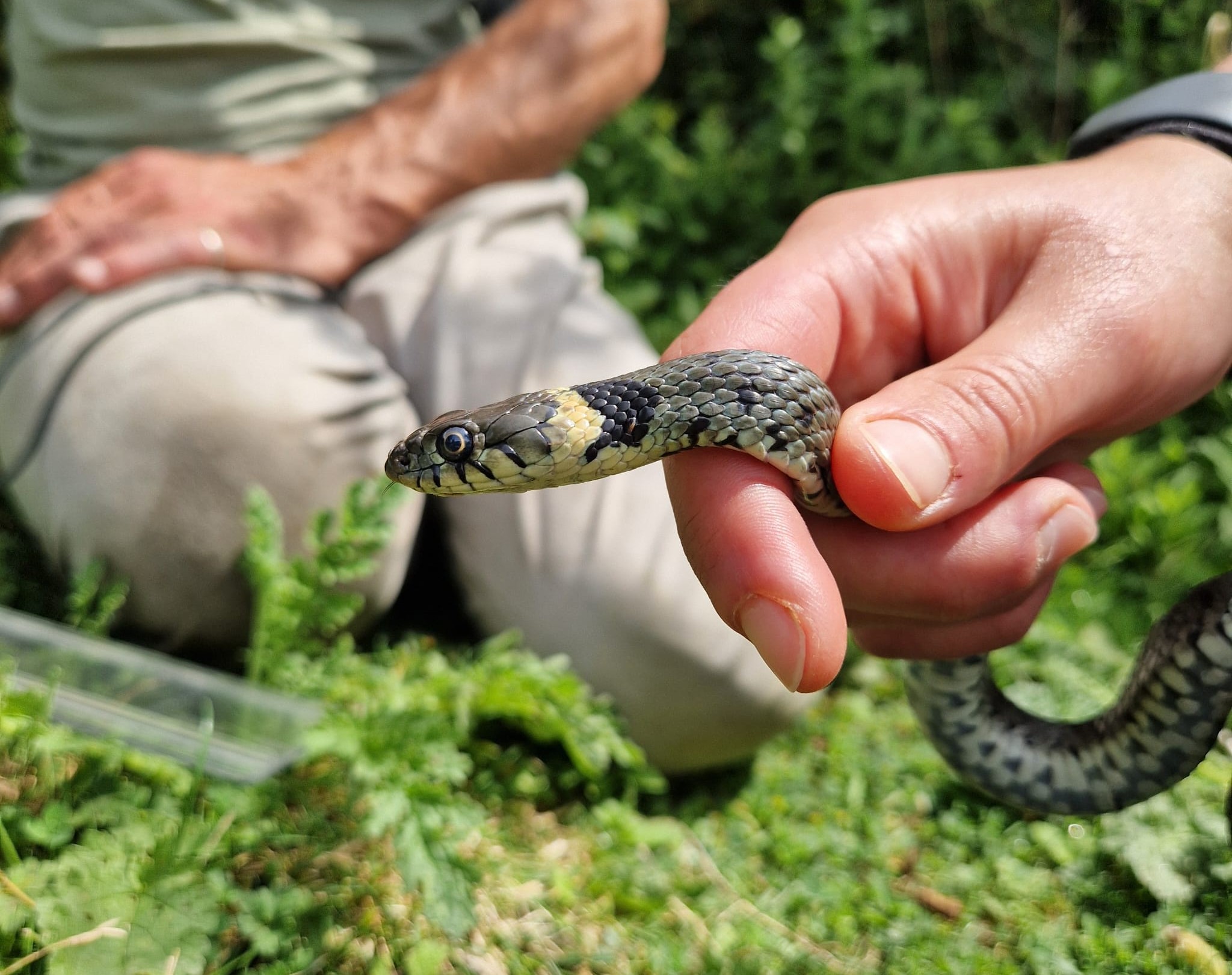
I think I’m still at the beginning of my career, so it’s difficult to point to any single achievement and say, “I’ve made a major difference”. Whether I’ve been collecting data through bird ringing and nest recording, contributing to surveys, monitoring migration, researching declining species, or encouraging people to engage with nature through outreach and communication, each has felt like a small piece of a much bigger puzzle. I may only be one small part of the conservation community now, but conservation moves forward because thousands of people each contribute their own small piece, and I’m proud to be one of them.