

Category Archives: Articles

ECOS 37 (2) Reintroductions and releases on the Isle of Man – lessons from recent retreats. Nick Pinder
Abstract: Recent proposals for the release of white-tailed sea eagles and red squirrels on the [...]
Aug

ECOS 37 (2) Rewilding in the UK – hidden meanings, real emotions. Rob Yorke
Abstract: The word rewilding has become common currency in nature conservation narratives, but it rarely [...]
Aug

ECOS 37 (2) Rewilding versus re-creating and re-homing: Lessons from a PAWS woodland. Simon Leadbeater
Abstract: This article discusses lessons for rewilding from pursuing complementary management objectives to halt and [...]
Aug

ECOS 37 (2) Nature and the call of the wild. James Robertson
Abstract: When ECOS first appeared as a radical voice for nature conservation in winter 1980, [...]
Aug

ECOS 37 (2) Purbeck: A place for rewilding? Alison Turnock
Abstract: Is the approach of rewilding helpful or achievable in a place like Purbeck in [...]
Aug
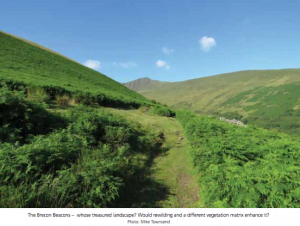
ECOS 37 (2) Rewilding – keeping brand integrity. Mike Townsend
Abstract: Rewilding offers an exciting opportunity to reconsider our attitudes and approach to nature. Embracing [...]
Aug

ECOS 37 (2) Rewilding: implications for nature conservation. Chris Sandom
Abstract: Rewilding has fired the imaginations of many, but much misunderstanding remains around what rewilding [...]
Aug

ECOS 37 (2) Wilder visions, wilder lives, wilder nature? Challenges for a new rewilding charity. Helen Meech
Abstract: As the new charity Rewilding Britain moves into its second year of operation, this [...]
Aug

ECOS 37 (2) The red tape of rewilding. Jennifer Gooden
Abstract: As rewilding gains traction in conservation, a host of regulations and policies makes implementation [...]
Aug

ECOS 37 (2) Rewilding… Conservation and conflict. Steve Carver
Abstract: Those with an eye to the ecological potential of the UK will probably like [...]
Aug