
Thoughts from influential nature conservationists…
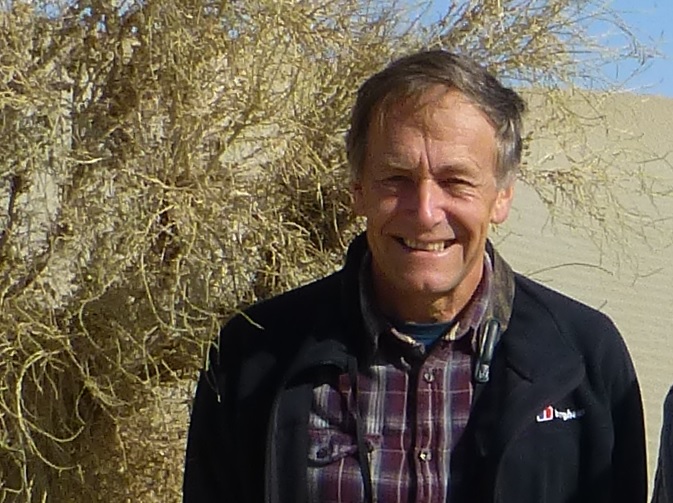
Mike Moser
Who are you and what do you do/have you done in nature conservation?
My career path into conservation was already set before arriving at Durham University to study Ecology. Having grown up in rural south Cumbria I was already helping bird ringing and had 2 seabird trips to Foula (Shetland) and a “year-off” volunteering at WWT Martinmere before it opened to the public under my belt. I’d enjoyed Martinmere so much that I threatened not to go to University – but the boss (and my first mentor, Peter Gladstone) said he’d fire me if I didn’t, so off I went (good advice!!!!). Once I’d got my BSc (and with much time spent at Teesmouth ringing shorebirds) I went on to do a year-long internship and then a Durham-registered PhD on heron ecology at the Station Biologique de la Tour du Valat in the Camargue (S. France) supported by a BOU David Lack Studentship.
I wasn’t cut out to be an academic and wanted to do something more practical and collegiate, so even before completing my PhD I found myself in my first job as Estuaries Officer for the BTO (brilliant organisation!), coordinating the BTO/JNCC/RSPB Birds of Estuaries Enquiry (now WEBS). After a brief spell as BTO Development Director I got the amazing chance to take up the post of Director of the International Waterfowl and Wetlands Research Bureau (IWRB, now Wetlands International) – a post I held for 11 years, eventually relocating the HQ from Slimbridge to the Netherlands. This adrenalin-fuelled role leading a small international NGO took me all over the world at a time of massive growth of interest in wetlands.
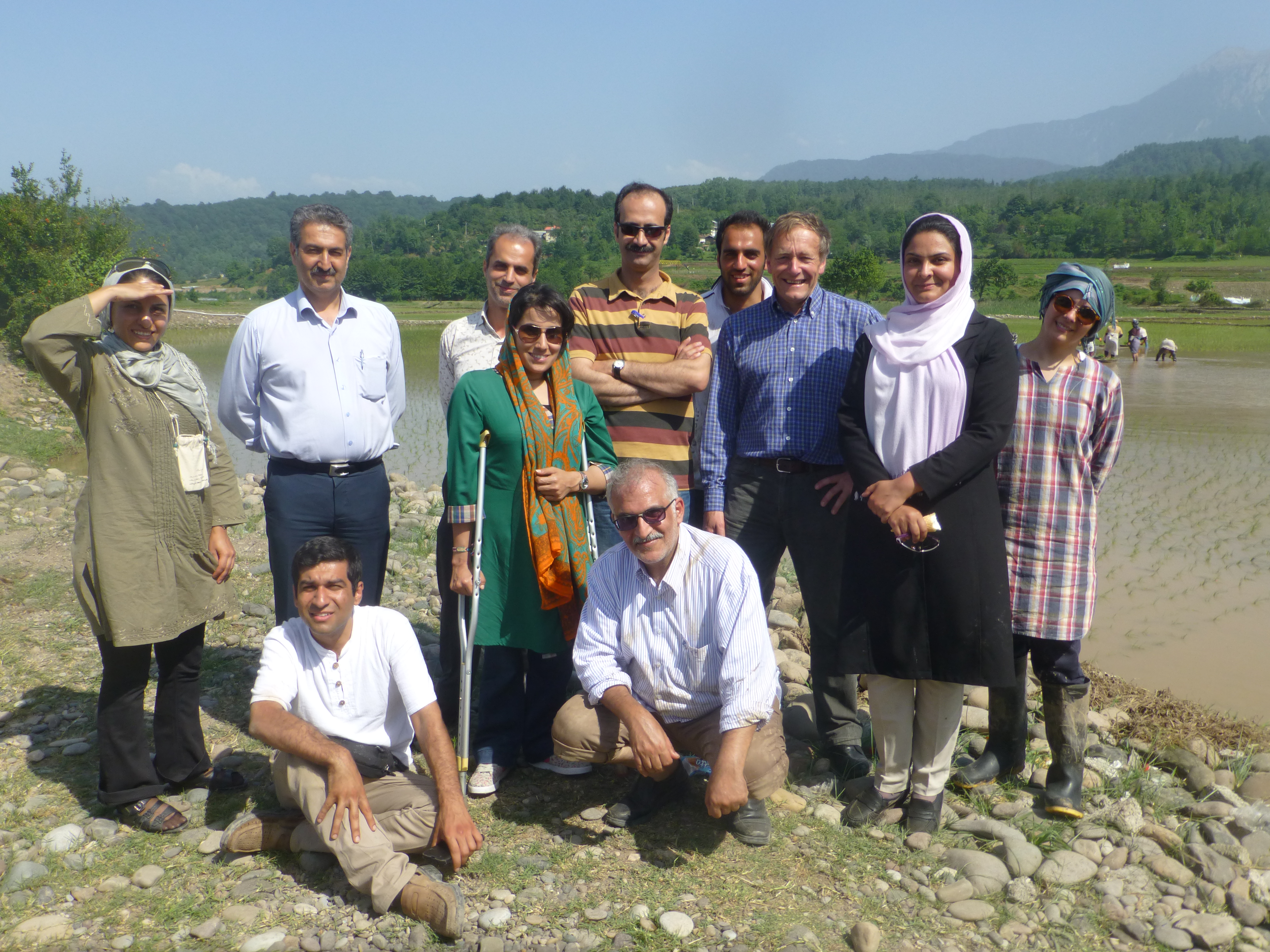
At the age of 43 and with a young family I decided to follow my passions rather than a safe salary, pension and career ladder and returned to the UK buying a small farm in North Devon – desperate to get my hands dirty again – and setting out as an international freelancer to keep the family fed. I regretted the decision for about 2 hours, although it took longer than that for the contracts to flow – but luckily they did. 20+ years in this role designing and supporting landscape-scale conservation projects with the UN and other international organisations took me to amazing places in West Africa, Asia, the Mediterranean and the Middle East including 86 visits to Iran. At the same time, I managed the farm for nature and took on governance roles including English Nature, RSPB, Devon Wildlife Trust, Forestry Commission (SW Advisory Committee), North Devon UNESCO Biosphere, the Tour du Valat (France) and the Swiss MAVA Foundation. Lesson learned – important to remember to say no … but they were all such fun and it’s great to give something back!
Now retired (ha!), I don’t get paid for any of the work I do – but am busier than ever with local nature recovery work and restoring nature on our farm.
What have been two career highlights?
Impossible – Four!
With the BTO, I coordinated the 1984-85 Winter Shorebird Count – the first ever survey of waterbirds on the non-estuarine coasts of the UK. An amazing 10,000+kms of shoreline was surveyed by volunteers and I led a roving survey team covering the remoter parts of west Scotland including the Hebrides. Amazing mid-winter experience!
As Director of IWRB/Wetlands International I played my small role with many colleagues in fostering/launching several initiatives which thrive today, including: the Ramsar Convention, the African-Eurasian Migratory Waterbird Agreement and the Mediterranean Wetlands (MedWet) Initiative.
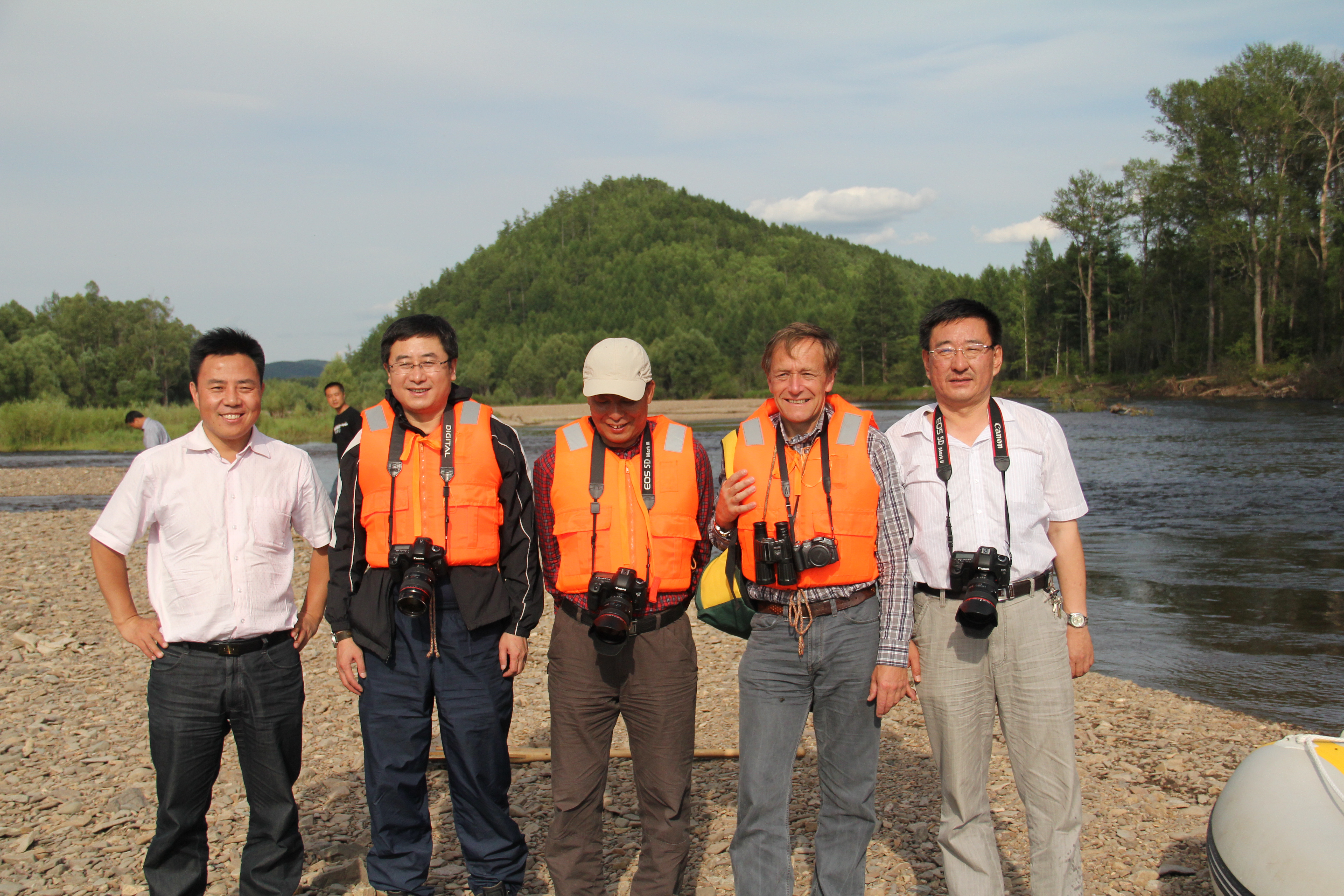
My years as a freelancer had many highlights in Iran, Mongolia, China, Bhutan and a host of other countries. One particular success was helping the establishment of the Baa Atoll UNESCO Biosphere Reserve in The Maldives, including the country’s first network of MPAs and a Trust Fund to finance their management. It’s still thriving today!
After moving to north Devon in 1999 I chaired the governing partnership of the North Devon UNESCO Biosphere Reserve for 10 of its earliest years. This amazing ecosystem-based designation covers 5262 sq km of land and sea and has become an exemplar of partnership working and innovations in ecosystem management. Today in a voluntary capacity, I coordinate its Nature Recovery Plan which is in its sixth year of implementation.
The most influential person or event or book in your career…?
Mentors (all sadly no longer with us) guided me through my career for which I am eternally grateful: Peter Gladstone and Prof. Janet Kear (WWT Martinmere), Prof Peter Evans (Durham University) and Dr Heinz Hafner in the Camargue …. But the most influential without doubt was Dr Luc Hoffmann, founder of the Station Biologique de la Tour du Valat in the Camargue and of the (now closed) MAVA Foundation in Switzerland. This humble conservation visionary, champion and philanthropist gave me the inspiration and opportunity to pursue my passions and shared his values which I still hold dear today.
How do you define nature conservation?
I wouldn’t want to capture nature conservation in a definition, because it is always evolving. Certainly, we should have given earlier recognition to the importance of the wider countryside (versus protected areas) and given more priority to enabling people to access local nature. But visionaries like Sir John Lawton have helped us onto a better path. Nature is not just the responsibility of conservation organisations – they are doing a great job but perhaps we rely on them too much. For me, nature conservation is equally about individual choices and actions that contribute to nature recovery. We can all make a difference through what we eat, what we buy, our voluntary efforts.
What’s the good news about wildlife and nature at present?
Despite the massive challenges we face from climate change, a broken food system and the unknown potential consequences of AI, there’s loads to celebrate: beavers, pine martens, bluefin tuna and white tailed eagles, peatland restoration, our woodland cover continues to creep up, landscape recovery projects, the interest in re-wilding, the new-found vision and engagement of the National Trust in nature…. But what’s going to ensure this progress continues is local community stewardship, action and activism which increasingly thrives across the world. In the little catchment where I live, I see individual landowners taking steps for nature, groups of farmers learning together about better environmental management and delivering natural flood management interventions, vibrant community groups monitoring our river and calling for action, volunteering and raising awareness. Individuals are sticking their heads above the parapet – and making a big difference. It gives me hope!
Beyond the obvious of habitat loss and species decline, what’s your greatest concern in UK nature conservation at present?
Governments! In the face of the climate and nature catastrophe that is upon us – and clear advice from their expert advisors – I’m dumbfounded that most political leaders fail to recognise or act on these existential threats. Worse still, some politicians actively blame nature for holding up the economic development model that lies at the root of these problems. Their terms are too short to prioritise such issues and I fear it will take environmental catastrophe and heat-stricken, flood-displaced, hungry voters for them to change course – rather than showing leadership now.
My second greatest concern is the polarisation of views over farming and land use – it’s extremely unhelpful and fuelled by social media on both sides. We need to find a way through this. Farmers have a critical role to play in nature recovery and tackling climate change and many are already doing great work, but we also need to recognise that every piece of land can serve multiple functions of which nature and food security are but two. I hope the Land Use Framework can help drive change and find common ground in the coming years.
If you had a limited budget on nature conservation in Britain, what would you prioritise and why?
The currently available nature conservation funding (conservation NGOs, DEFRA agri-environment budget plus philanthropic grants) is totally inadequate to achieve nature recovery. Climate change may be our greatest ally here because the role of natural infrastructure in helping us adapt and mitigate is there for all to see – peatland restoration, more trees locking up carbon and providing shade in both rural and urban environments, natural flood and drought management measures by beavers and others, the key role that healthy ecosystems play in human health and security – they are such obvious win : wins. So, I would spend some budget breaking down the last hurdles so that government departments and the Treasury formally recognise nature as critical infrastructure as they will then find it so much easier to allocate the required budgets. Thankfully, this is already happening in several European countries and there are some great examples of the finance and business sectors also beginning to invest significantly in natural infrastructure through nature bonds, carbon credits, Biodiversity Net Gain and other innovative mechanisms both here and internationally. This is the only place where I can see new and much needed money coming from in the coming years.
In addition, the current inadequate DEFRA agri-environment budget is making a big difference but still needs better targeting. There has been recent progress in that direction but the reliability of the schemes has been a disaster! Farmers and landowners can make a massive contribution to nature recovery but need attractive and reliable incentives to look after existing wildlife rich habitats. And then even more attractive incentives should be targeted to restore or create more of these habitats. Too much of the agri-environment budget is still currently spent on actions which do not deliver the really significant outcomes for nature that we need.
How do you feel about your input to the subject – what if anything has it achieved and would you do it differently if starting again today?
I’ve often said to myself “what a difference I could have made if only I had the experience I have now”. So, I could have made more of a difference – but I guess that applies to us all!
What would I do differently? 1. We all have self-doubt (and that is nothing to be ashamed of!) but I wish I had been braver in some of the earlier decisions I made. Even until recently on our farm, peer pressure delayed me putting agroforestry and wildlife ponds into productive and visible fields – but I’ve got over that now and am also much more willing to challenge bad actors! 2. I would write fewer strategies and plans and focus on implementation and action – because its only outcomes that count! 3. I spent a lot of my career working at international and national levels where really important work is of course done, but nature conservation occurs on the ground, locally. Resources should therefore be focussed as close to the ground as possible. The EU was right to include “subsidiarity” as a founding legal principle!
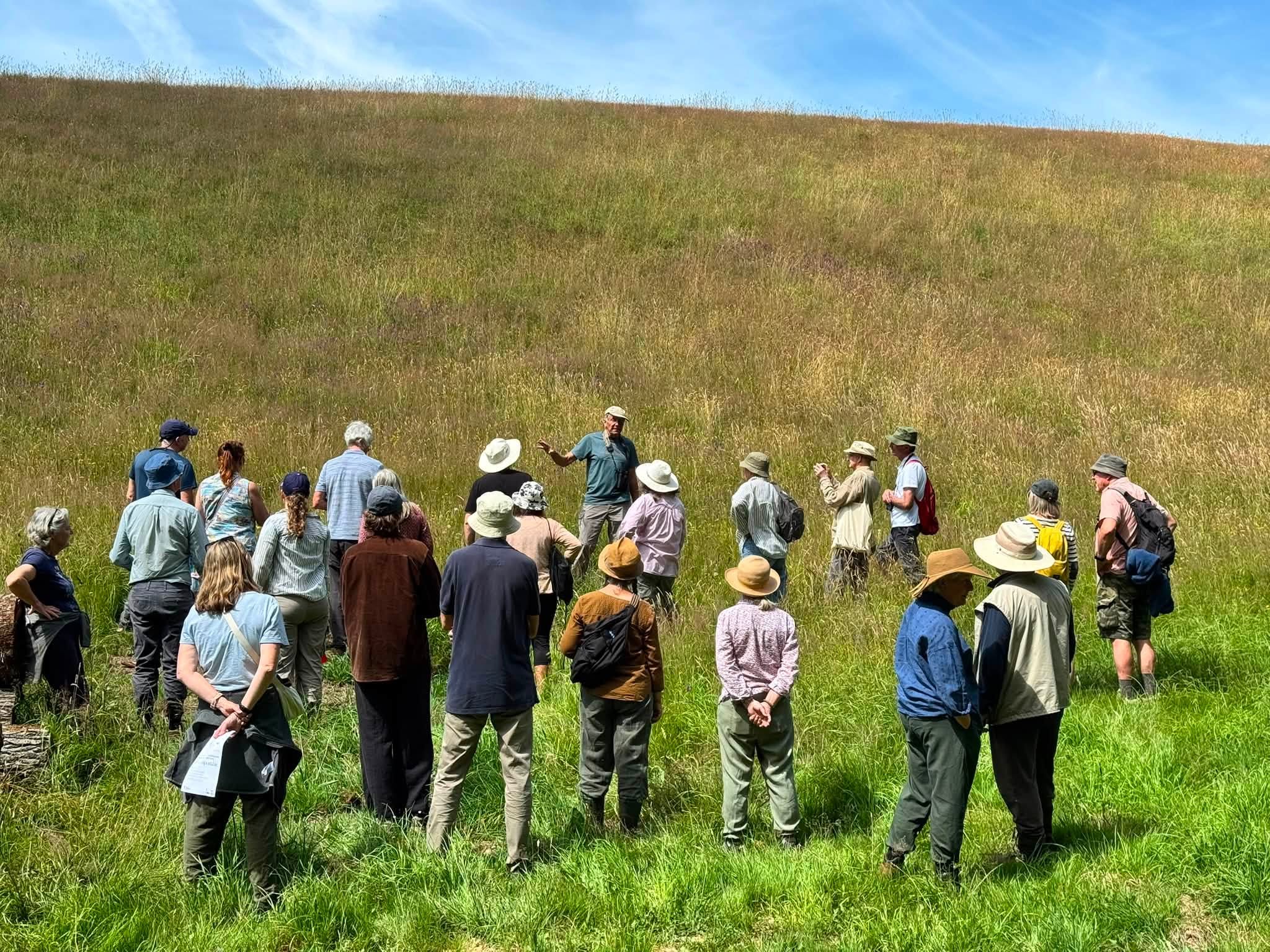
I get my biggest buzz from nature recovery on our organic farm. Over 26+ years and with support of countryside stewardship we manage two County Wildlife Sites, have added 5 acres of broadleaved woodland, an agroforestry plot, a pond (soon to be three), 12 leaky woody dams, restored two orchards and 5ha of species rich grassland, put all the hedges into a 20 year laying rotation and put in nestboxes for almost everything. Nature has responded bountifully and this year we had 12 pairs of nesting pied flycatchers, nesting (sshh.. big hawk that likes eating grey squirrels), redstarts and spotted flycatchers, 3 pairs of swifts and an abundance of insects and swallows. We’re waiting expectantly for beavers and pine martens which are close by….. nature conservation works!
Anything else you’d like to say..?
To those setting out on a conservation career, pursue your dreams: In my final undergraduate year at Durham I wrote to conservation projects around the world seeking an internship to launch my career. I had two replies – one from Christmas Island (but with no offer of expenses), and one from the Camargue (offering accommodation, meals, use of a car and some pocket money). Easy decision, and I didn’t even wait in the UK for Graduation!
Keep optimistic (pessimism gets us nowhere): it’s good for the soul and it inspires others – even though some of my former colleagues may have found my optimism somewhat tiresome.